Grounds for Revolution: Inside Incheon's Specialty Coffee Scene That's Making Seoul Nervous
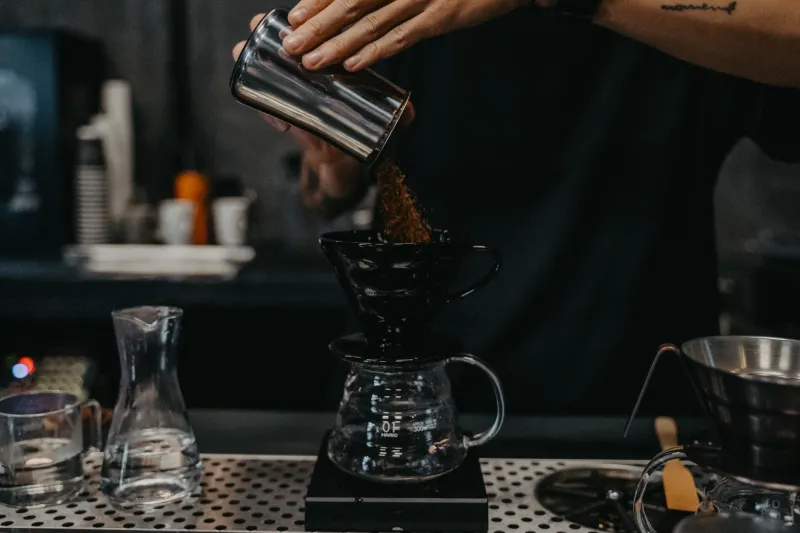
There's a moment, somewhere between your first sip of a naturally processed Ethiopian Yirgacheffe and the sound of harbor wind rattling the windows of a converted warehouse café, when Incheon stops feeling like Seoul's quieter neighbor and starts feeling like the main event.
That moment is happening more and more. And the people engineering it are roasters, baristas, and café owners who made a deliberate choice — to build something real here, rather than chase the rent prices and Instagram clout of the capital.
The Third Wave Hits Different on the Port
If you're familiar with the American specialty coffee arc — the shift from Starbucks dominance to the Blue Bottle and Intelligentsia era, and then to the hyper-local single-roaster joints that started popping up in Portland, Chicago, and Brooklyn — then Incheon's current moment will feel recognizable, with a distinctly Korean twist.
The third-wave coffee movement, which emphasizes bean origin, processing method, and brewing precision over sugary drinks and branded cups, arrived in Korea largely through Seoul. But Seoul's version got expensive and crowded fast. Real estate pressures turned a lot of promising micro-roasters into aesthetics projects — beautiful spaces, mediocre coffee, brutal margins.
Incheon offered something different: space, affordability, and a city identity that rewards doing things your own way.
"Seoul has the attention," says Minjae Cho, who runs a roastery called Tidal Roast near the Wolmido waterfront. "But attention isn't the same as freedom. Here, I can spend my budget on green beans instead of interior design."
Minjae sources directly from farms in Colombia, Ethiopia, and increasingly from emerging producers in Myanmar and Indonesia. His roasts lean light — a deliberate choice that lets the fruit-forward, wine-like complexity of naturally processed beans sing without getting buried under dark roast bitterness.
"Most Korean coffee culture still defaults to dark roast because that's what the café chains trained everyone to expect," he says. "Changing that expectation is half the job."
More Than a Caffeine Fix
What's striking about Incheon's café scene isn't just the quality of the coffee — it's what the cafés are becoming. Walk into Portside Grind in Jung-gu and you'll find a cupping session happening in the back room, a small-batch zine swap on the windowsill, and a rotating wall of work by local printmakers. The coffee is excellent. But the café is functioning as something closer to a community center with an espresso machine.
Owner Soyeon Lim opened Portside Grind three years ago after burning out from a marketing career in Seoul. She wanted a space that felt human.
"I kept going to cafés in Seoul that were gorgeous but cold," she says. "No one talked to anyone. You took your photo and left. I wanted something where people stayed, where ideas happened."
She started hosting weekly conversation nights — loose, informal gatherings where topics range from Korean urban policy to favorite film scores. The coffee, she says, is almost secondary. Almost.
"The coffee has to be good. That's the foundation. But the reason people come back is the feeling."
This dual identity — precision craft meets genuine community — is showing up across Incheon's independent café scene in ways that remind American visitors of the best neighborhood coffee shops back home. Think the kind of place in Austin or Asheville where the barista actually wants to talk about the farm the beans came from, and means it.
The Roaster Underground
Beyond the cafés themselves, a loose network of micro-roasters has taken root in Incheon's industrial zones and repurposed commercial spaces. These aren't hobbyists. Several have racked up competition credentials, and a few are quietly supplying specialty cafés in Seoul that don't advertise the fact — because admitting your beans come from Incheon doesn't fit the capital's self-image.
"There's definitely a bit of that," laughs Hyunwoo Park, who operates a 3-kilo drum roaster out of a space that used to be a printing workshop. "Seoul cafés want Incheon quality at Incheon prices, but they don't always want to say where it's from. That's fine. The beans don't care about credit."
Hyunwoo's roastery, Harbor Frequency, has developed a following among what he calls "the obsessive crowd" — people who track harvest seasons, follow specific farms on social media, and debate processing methods with the same energy American craft beer nerds bring to hop varieties.
He runs a monthly subscription that ships across Korea, and recently started getting international orders after a coffee podcast based in the US mentioned one of his lots in a tasting episode.
"That was wild," he admits. "People in California ordering beans from Incheon. Five years ago I would not have believed that."
What Seoul Still Has (For Now)
To be fair, Seoul isn't sleeping. The capital still hosts Korea's biggest coffee expos, has more specialty cafés by raw number, and commands the kind of media attention that shapes national taste. If you want to be seen in Korean coffee culture, Seoul is still where you make your debut.
But Incheon's operators seem unbothered by that dynamic. If anything, they're leaning into the underdog energy.
"Being overlooked for a while gave us time to get good," says Soyeon. "Now people are noticing, but we already know who we are. That's a better position than scrambling for attention before you've figured out your identity."
Planning a Coffee Crawl?
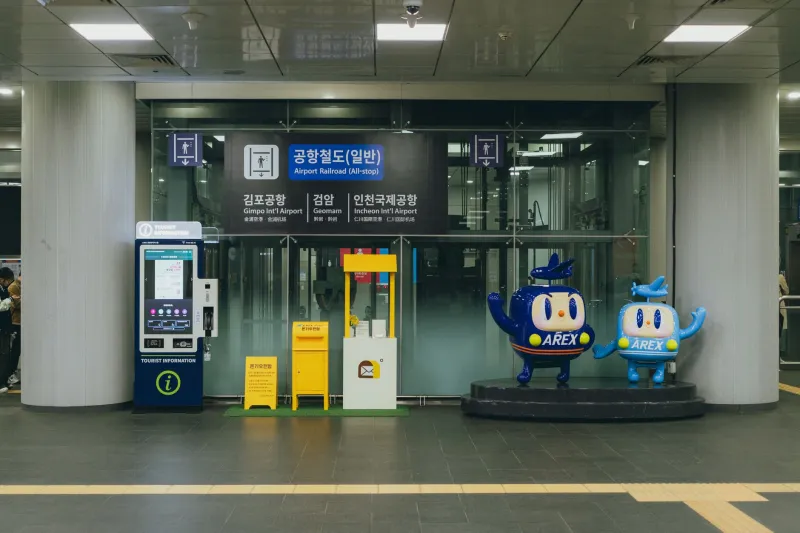
For US visitors transiting through Incheon International Airport — or making the city a deliberate stop rather than a layover — the coffee scene alone is worth a half-day itinerary. The Wolmido waterfront, the Jung-gu historic district, and the emerging café clusters near Songdo all offer distinct vibes.
Bring cash to some of the smaller spots, download Naver Maps for navigation (Google Maps lags in Korea), and don't be shy about asking for a barista recommendation. In Incheon's specialty cafés, that question tends to open a conversation rather than close one.
The coffee is good. The community is better. And the city that's brewing both is just getting started.