Grandma's Kitchen Is Having a Moment — and Incheon's Gen-Z Is Leading the Charge
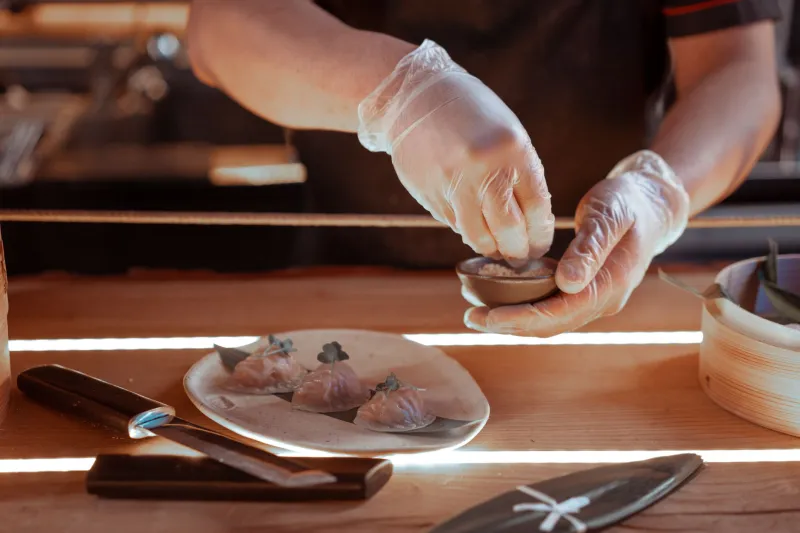
The banchan on the table at Kim Yoojin's pop-up dinner last spring didn't look like anything you'd find at a Korean BBQ chain in Los Angeles or a trendy Seoul fusion spot. There was a deeply savory dried radish dish that took three days to make. A fermented perilla leaf preparation her grandmother had learned from her grandmother. A soybean paste stew with a flavor so layered and specific it tasted like a particular place and time — coastal Incheon, mid-century, a kitchen without air conditioning.
Yoojin is 26. She learned every recipe at the table of a woman who never measured anything.
The Movement Nobody Named Yet
Call it grandmother cooking, heritage cuisine, or ancestral food preservation — the trend hasn't settled on a name, which is actually kind of fitting. What's happening in Incheon right now is less a branded movement and more a genuine cultural instinct, spreading through friend groups and social media feeds without a manifesto or a marketing budget.
Young Incheon residents — many of them in their early-to-mid twenties — are doing something that looks simple on the surface but carries real weight: they're sitting down with their grandmothers, asking questions, and writing things down. Recipes that have never existed anywhere except in the hands and muscle memory of older women who assumed everyone already knew how to make this stuff.
The urgency is real. Korea's older generation of home cooks — the women who learned to ferment, preserve, and cook from scratch out of necessity — is aging. The specific knowledge they carry isn't in any cookbook. It lives in the way someone's hands move when they're massaging kimchi, or in the judgment call about when a doenjang jjigae has simmered long enough. That knowledge is genuinely at risk of disappearing.
"My grandmother kept saying there was nothing special about her cooking," says Yoojin. "That's exactly what scared me. If she thinks it's ordinary, she's not going to think to pass it on."
Why Incheon, Specifically
This kind of movement could theoretically happen anywhere in Korea, but Incheon has a particular set of conditions that make it especially fertile ground.
The city's identity has always been tied to its port — which means it has a long history as a place where things arrive, mix, and transform. The food culture here reflects that. Incheon grandmothers cook with influences that are distinct from inland Korean cuisine: heavier seafood integration, fermentation traditions tied to the Yellow Sea coastline, Chinese-influenced preparations that came through the port over generations. The flavors are specific to this geography in a way that feels worth preserving.
There's also something about Incheon's relationship to Seoul that factors in. Young people here have grown up in the shadow of the capital's food scene — the celebrity chefs, the omakase restaurants, the Instagram-optimized brunch spots. The grandmother cooking movement feels partly like a response to all that polish. A deliberate return to something that can't be optimized because it was never designed to be.
"Seoul food is for showing off," says Lee Dongwon, 24, who runs a monthly cooking class in his family's Bupyeong apartment alongside his 71-year-old grandmother, Lee Soonja. "My halmoni's food is for feeding people. That's a completely different thing."
Pop-Ups, Classes, and the Dinner Table as Political Act
The format these young organizers have landed on varies, but a few models have emerged as particularly popular.
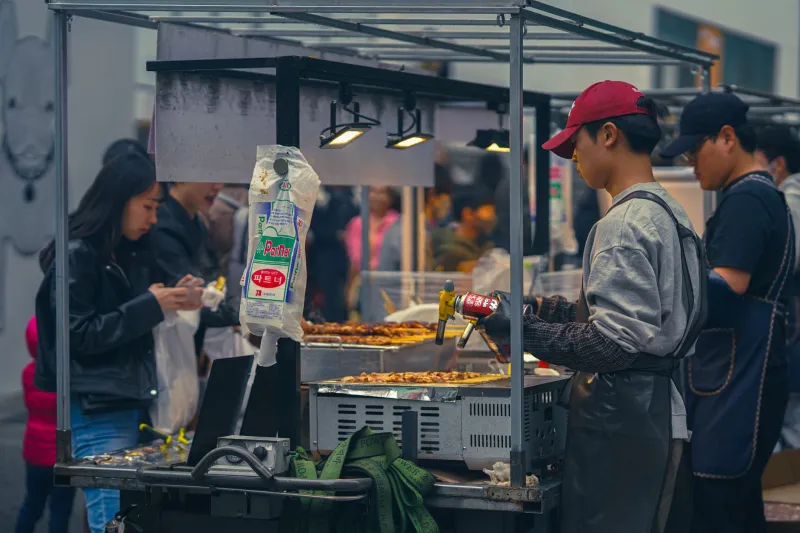
Pop-up dinners — intimate, reservation-only meals hosted in private homes or borrowed spaces — have become a way to share the food with a wider audience while maintaining the communal, non-commercial feeling of a home meal. These aren't ticketed events with slick branding. They spread by word of mouth, through group chats and neighborhood networks. Attendance is often limited to fifteen or twenty people, seated together at long tables, eating food that was made that morning.
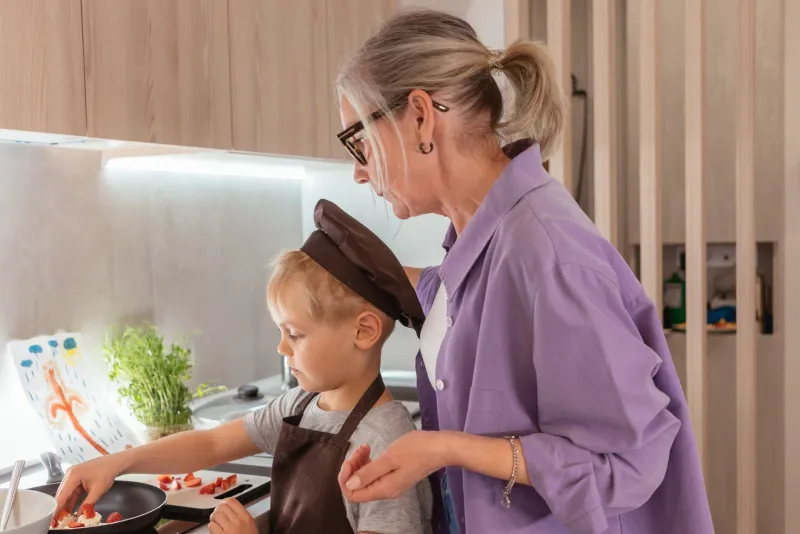
Cooking classes take a more direct preservation approach. The Lee family's monthly sessions in Bupyeong typically center on a single dish — something specific enough that it can be taught thoroughly in an afternoon. Halmoni Soonja demonstrates while Dongwon translates her instructions into language that makes sense to people who didn't grow up watching her cook. Participants leave with a handwritten recipe card and, usually, a container of whatever they made.
Documentation projects are also gaining traction. A small group of Incheon residents has been systematically filming recipe sessions with elderly home cooks in the city, building an archive that's partly preservation project, partly oral history. The videos are unproduced and intentionally unglamorous — just someone's kitchen, a grandmother's hands, the sound of a knife on a cutting board.
The Diaspora Connection
Something interesting happens when word of this movement reaches Korean-Americans in cities like Los Angeles, New York, or Chicago. The response is often visceral.
For second and third-generation Korean-Americans, the grandmother kitchen trend touches something that commercial Korean cuisine — even the good stuff — doesn't quite reach. The dishes being documented and served at these Incheon pop-ups are often closer to what diaspora families actually ate at home than anything on a restaurant menu. The recognition is immediate and emotional.
Yoojin has started getting messages from Korean-Americans who found her through social media, asking if she can share recipes or whether she knows of similar projects happening in the US. She's thinking about how to respond in a way that's useful. "The food connects people to something real," she says. "I don't fully understand why it hits people so hard, but I've stopped being surprised by it."
For diaspora communities that have watched Korean food become a global phenomenon — ramen collabs, K-food TikTok trends, fusion everything — there's something grounding about a movement that's explicitly moving in the opposite direction. Away from spectacle, toward the specific and the inherited.
What Gets Lost When Nobody Asks
Halmoni Soonja, seated at the table after a recent cooking class while the participants eat, is characteristically unbothered by the attention her food is receiving. She's been making this doenjang jjigae for fifty years. The idea that it's suddenly interesting to people is mildly amusing to her.
But she also understands the stakes. When asked if she ever worried her recipes would disappear, she pauses for a long moment.
"I didn't think about it that way," she says. "I just thought — this is how you eat. But I suppose if nobody asks, it stops being how anyone eats."
Her grandson nods. That's the whole project, really, condensed into a single sentence. Ask before it's too late. Write it down. Make it again. Eat it together.
Incheon's grandmothers have been cooking this way for generations. Their grandkids are finally paying attention — and they're bringing everyone else along.