From LA to Incheon: How Korean-American Chefs Are Cooking Up Something the Food World Wasn't Expecting
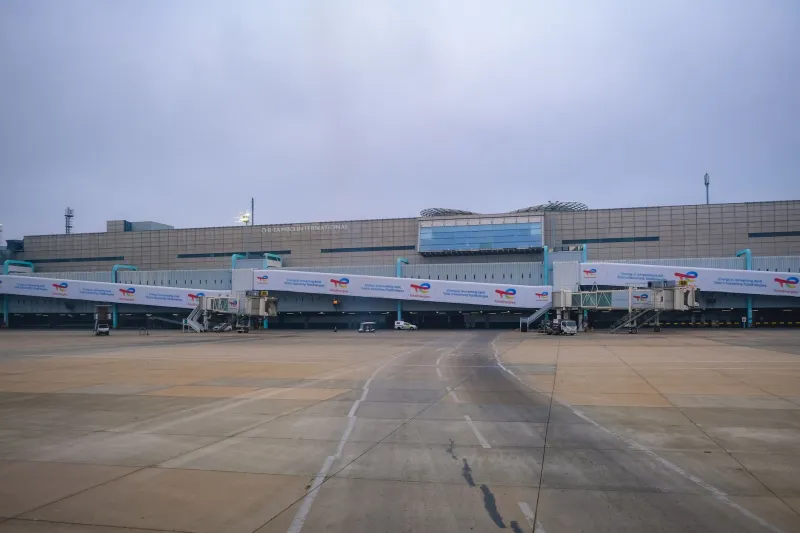
Incheon has always been the city people pass through. You land at ICN, maybe grab a bowl of jjajangmyeon in the terminal, and hop on the AREX toward Seoul. For decades, that was the script. But lately, a small and surprisingly scrappy group of Korean-American chefs are rewriting it — and they're doing it one experimental menu at a time.
What's drawing them here isn't nostalgia, exactly. It's opportunity.
Seoul Was Never Really the Plan
Ask any Korean-American chef who's made the move to Incheon why they didn't go straight to Seoul, and the answers start to sound like a chorus. Real estate in Hongdae or Itaewon is brutal. Competition is cutthroat. And the dining culture in Seoul, while sophisticated and voracious, can also be deeply conservative about what counts as "real" Korean food.
Incheon is different. The city's Chinatown district, its port neighborhoods, and the sprawling redevelopment zones around Songdo have created pockets of affordable commercial space that would be unthinkable in the capital. A 400-square-foot restaurant spot that might run you $4,000 a month in Mapo-gu can sometimes be locked in for half that price in parts of Jung-gu or the older quarters near Sinpo Market.
"I looked at Seoul for about six months," says one Los Angeles-born chef who opened a 20-seat tasting counter in Incheon's port district last year. "Every space I could afford felt like a compromise. In Incheon, I found something with character, with history in the walls — and I could actually afford to build it out the way I wanted."
The Dish That Doesn't Have a Name Yet
The food coming out of these kitchens is genuinely hard to categorize, which is kind of the whole point. It's not Korean fusion in the TGI Fridays sense. It's not the polished Korean-American fine dining you'd find in New York or LA either. It sits somewhere more personal — rooted in the flavors these chefs grew up eating in both countries, filtered through professional training that often spans multiple continents.
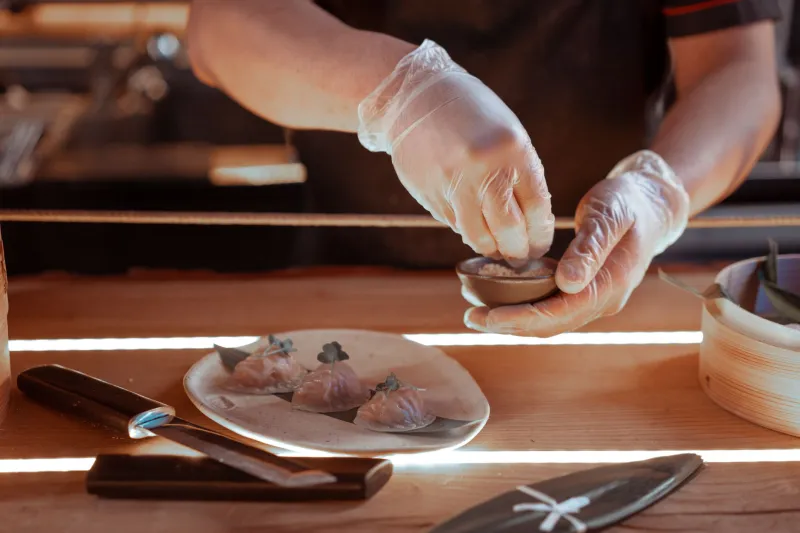
One chef, who spent years cooking in San Francisco before returning to Korea, describes her menu as "food I wished existed when I was growing up." Her current tasting menu includes a cold tofu dish finished with a dashi-butter sauce that somehow reads as both deeply Korean and deeply French without being either. Another course pairs hand-torn perilla leaves with a corn salsa and a drizzle of sesame oil that would make any Texan and any Korean grandmother equally suspicious — and equally delighted.
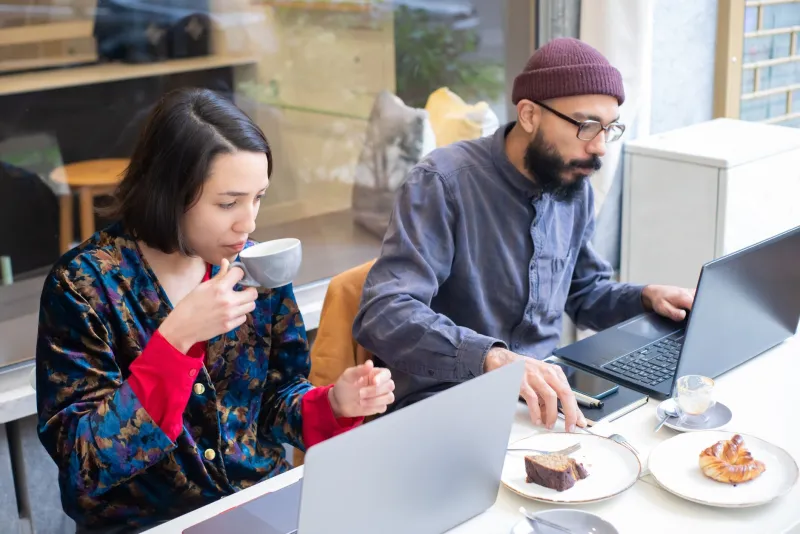
That tension, that slight discomfort of not being able to place a dish, is something these chefs are leaning into deliberately. "Korean food in America got flattened," one chef told us over coffee near Incheon's waterfront. "It became bibimbap and Korean BBQ and that was it. What I'm trying to do is show what Korean cooking actually is — which is endlessly adaptable, incredibly technical, and way more interesting than the version most Americans know."
Why Incheon Diners Are the Secret Ingredient
Here's something that might surprise you: the locals are into it. Incheon has a long history as a port city, which means it has always had a more cosmopolitan food culture than its size might suggest. Chinese-Korean cuisine — jjajangmyeon, tangsuyuk — was essentially invented here. The city has been absorbing outside influences and making them its own for well over a century.
That culinary openness translates into dining rooms that are willing to take chances. Young Incheon professionals, many of them commuting to Seoul or working in the city's growing tech and logistics sectors, are hungry for something that feels new. And the Korean-American chefs who've moved here have found an audience that's curious without being precious about authenticity.
"People here don't come in with a chip on their shoulder about what Korean food is supposed to be," says one chef. "They just want something delicious. That gives me room to actually cook."
The Broader Picture
This isn't happening in a vacuum. Incheon's municipal government has been quietly investing in its creative economy for years, and food is increasingly part of that conversation. The city's proximity to the airport — a 20-minute drive from most of these restaurants — also means that chefs can source international ingredients with a speed and ease that would be complicated from anywhere else in Korea.
There's also a community forming. Chefs are sharing suppliers, collaborating on pop-ups, and occasionally cooking together at events that feel more like art happenings than restaurant promotions. It's the kind of scene-building energy that tends to precede something bigger.
Whether Incheon becomes the next great food city or stays a well-kept secret probably depends on who's paying attention. But for the Korean-American chefs who've already made the bet, the answer feels obvious.
Incheon, it turns out, was never just the layover. For some people, it was always the destination — they just needed a kitchen to prove it.
Hungry to explore Incheon's food scene yourself? Keep checking back with Incheon MSG for restaurant spotlights, chef profiles, and neighborhood eating guides coming throughout the year.