Knife's Edge: Incheon's Medical Tourism Boom Is Complicated, and Nobody's Pretending Otherwise
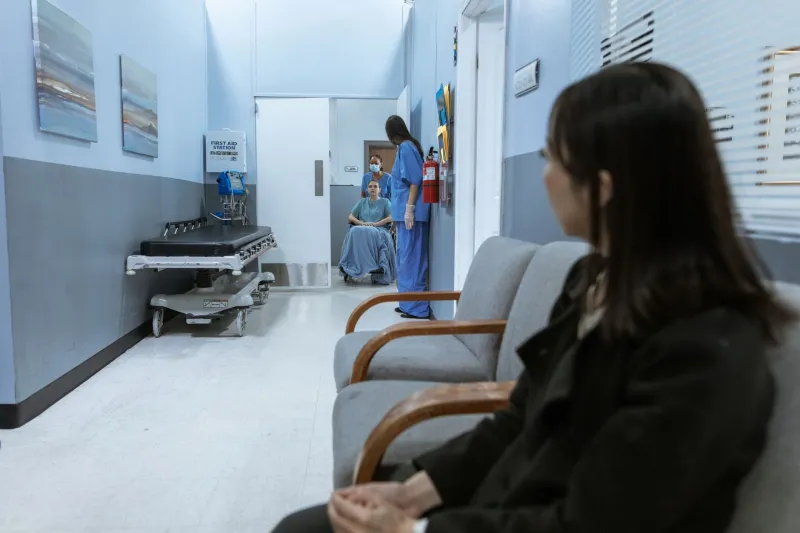
The waiting room of a mid-sized cosmetic clinic in Incheon's Namdong district looks, at first glance, like a lot of other upscale waiting rooms. Calm lighting, good chairs, a water station, magazines. What's different is the language mix of the patients sitting in it — Korean, Mandarin, English, Vietnamese, and on this particular Tuesday afternoon, what sounds like Portuguese.
Incheon has become, without a great deal of fanfare, a destination for international cosmetic surgery patients. The reasons are practical: proximity to Incheon International Airport reduces travel friction, pricing runs meaningfully lower than Seoul's premium clinics, and a growing number of facilities have invested in multilingual staff and international patient coordinators. The result is a quiet but expanding medical tourism economy that the city is simultaneously capitalizing on and, in some quarters, reckoning with.
The Geography of Going Under
Seoul's Gangnam district is the name most associated with Korean cosmetic surgery in international conversation — and for good reason. The concentration of clinics there is genuinely staggering, the marketing infrastructure is sophisticated, and the global reputation is established. K-pop aesthetics, Korean beauty trends, and a decade of international media attention have made "Gangnam nose job" a recognizable cultural shorthand in a way that few medical procedures are.
But Gangnam is also expensive, often crowded, and — for patients flying into Incheon International — requires an additional transit step that adds time and complication to an already logistically demanding trip.
Incheon's proximity to the airport isn't just a convenience detail. For patients flying in from the US, Southeast Asia, or the Middle East specifically for procedures, landing and being 20 minutes from a clinic rather than 90 minutes changes the calculus meaningfully. Several clinics in the Incheon area have built their entire patient intake model around this geographic advantage, offering airport pickup, recovery accommodation, and follow-up scheduling in a single bundled package.
"We see a lot of patients who did their research, booked flights, and specifically chose us because they didn't want to deal with Seoul traffic after surgery," says a patient coordinator at one Namdong clinic who spoke on background. "Recovery is stressful enough. The logistics shouldn't add to it."
What Patients Are Actually Saying
Rachel, 31, flew from Houston to Incheon for rhinoplasty and double eyelid surgery. She'd researched clinics for nearly a year, consulted with doctors in the US, and ultimately decided that the combination of cost savings and Korean surgical expertise made the trip worthwhile.
"In the US, the same procedures would have cost me somewhere between $15,000 and $20,000 depending on the surgeon," she says. "Here, I paid roughly a third of that, and the quality of care — the pre-op consultations, the facility, the follow-up — was better than anything I encountered back home."
She's careful to note that her experience isn't universal. She did extensive vetting, connected with other patients through online forums, and had a clear-eyed understanding of the risks involved in any surgical procedure performed abroad.
"I'm not going to tell everyone to do what I did. I had a great outcome, but I also did my homework obsessively. There are people who don't, and that's where it gets scary."
That concern — the gap between informed, prepared patients and those who arrive with unrealistic expectations or insufficient research — is one that medical professionals in Incheon raise consistently.
The Ethical Weight Room
The conversation happening inside Incheon's medical community about cosmetic surgery tourism is more nuanced than the industry's marketing materials suggest. Several practitioners, speaking with varying degrees of candor, described real tensions around patient screening, informed consent across language barriers, and the pressure to accommodate volume in ways that can compromise individual care.
"When a clinic's business model depends on international patient flow, there's an incentive to say yes to more procedures than you might otherwise recommend," says one plastic surgeon who asked not to be identified. "That's not unique to Korea. It's a structural problem in medical tourism anywhere. But we should be honest that it exists."
There's also the broader cultural conversation — one that's particularly charged in Korea — about beauty standards, the social pressures that drive cosmetic surgery demand, and whether an industry built on those pressures is something a city should celebrate as an economic asset.
Feminist and body-positive voices in Incheon have been increasingly vocal about this, arguing that building a tourism economy around procedures shaped by narrow, often racially inflected beauty ideals deserves more critical scrutiny than it typically receives.
"The economic argument is real," says one local activist who runs a community space focused on body image and mental health. "But 'it creates jobs' isn't a complete answer to 'what are we actually selling and who does it serve?'"
The Wellness Ecosystem Growing Around It
What's interesting — and genuinely unexpected — is the parallel economy that's developed around Incheon's cosmetic surgery cluster. Recovery-focused wellness businesses have proliferated: specialized skincare studios, lymphatic drainage massage practices, herbal medicine clinics offering post-procedure care, and even dedicated recovery accommodation with nursing check-ins.
Some of these businesses are explicitly surgery-adjacent, catering to a patient clientele. Others have positioned themselves more broadly in the wellness space, attracting both post-procedure patients and general wellness tourists who have no interest in surgery at all.
"We started as a recovery massage studio," says Eunji Han, who runs a bodywork practice near the airport corridor. "Now maybe forty percent of my clients are not surgery patients at all. They're here for jjimjilbang culture, for traditional Korean skincare, for relaxation. The surgery tourism brought foot traffic that opened up a different conversation about what this area offers."
It's an accidental diversification that city planners are watching with interest — and that suggests Incheon's medical tourism moment might be the seed of something broader and more sustainable than the industry's most transactional version of itself.
No Easy Answers, Which Is the Point
Incheon's cosmetic surgery economy doesn't resolve neatly into a hero story or a cautionary tale. It's a real industry with real economic impact, real patients with real outcomes — good and bad — and real cultural questions that deserve more than a press release.
What's clear is that the city is no longer just a backdrop for this conversation. It's a participant. And the most interesting voices in Incheon right now are the ones willing to hold the complexity without pretending it away.