Where the Ship Came In: Incheon's Harbor History Is Showing Up on Your Plate
Korean food, as most Americans understand it, is a fairly tidy category. Bibimbap. Bulgogi. Kimchi. The K-drama meal montages. The Korean BBQ boom that swept through every major US city in the last decade.
But spend a few days eating your way through Incheon's older neighborhoods — the ones close to the port, the ones that grew up around the Chinese quarter, the ones where Japanese colonial architecture still lines the streets — and that tidy category starts to unravel in the best possible way.
Incheon has been a port city since 1883, when it was forcibly opened to international trade under the Treaty of Jemulpo. That's a long time for foreign ships, foreign merchants, and foreign ingredients to leave their mark on a local food culture. And they have.
The Chinatown That Changed Korean Noodles Forever
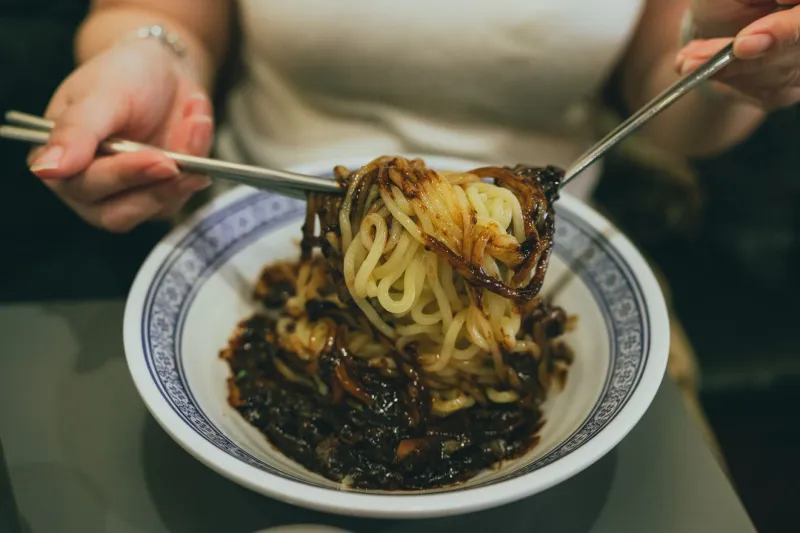
Incheon's Chinatown is the oldest in Korea, and it is the birthplace of jajangmyeon — the black bean noodle dish that Koreans now consider a national comfort food, right up there with ramyeon on a rainy day.
The story goes like this: Chinese immigrants, mostly from Shandong province, arrived in Incheon in the late 19th century. They brought zhajiangmian with them. Over decades, Korean cooks adapted it — the sauce got sweeter, the texture changed, pork belly replaced other cuts, and the dish became something that neither China nor Korea would fully claim as original. It became Incheon's.
"Jajangmyeon is the perfect example of what this city does," says food historian Park Soo-yeon, who has been documenting Incheon's culinary history for the past twelve years. "It's not Korean. It's not Chinese. It's a port city food. It's what happens when two cultures share a kitchen long enough."
Today, Incheon's Chinatown serves both the original Chinese-style version and the Korean adaptation, sometimes side by side in the same restaurant. For American visitors, tasting both back-to-back is a quick education in how migration reshapes flavor.
Family Restaurants and the Long Memory of Cooking
The most compelling food in Incheon isn't coming out of concept restaurants or chef-driven tasting menus. It's coming out of family-run spots that have been operating in the same neighborhood for two or three generations, cooking the same dishes with the same techniques, refusing to simplify for tourists.
One such place is a small haemul pajeon spot near the Sinpo International Market that has been run by the same family since the 1970s. The grandmother who started it is gone, but her daughter — now in her 60s — still makes the seafood pancakes the same way, using a cast-iron pan that has never been replaced because, as she explains through a translator, "New pans don't know the recipe yet."
That kind of culinary continuity is increasingly rare everywhere, and Incheon's food community knows it. There's a quiet movement among younger chefs and food advocates in the city to document these family operations before they close — recording recipes, filming techniques, interviewing the cooks who've spent 40 years perfecting a single dish.
The Immigrant-Owned Kitchens Nobody Talks About
Incheon's multicultural present is as interesting as its multicultural past. The city's port and industrial zones have drawn migrant workers from across Southeast Asia for decades — Vietnam, Cambodia, Indonesia, the Philippines — and those communities have brought their food with them.
In neighborhoods like Bupyeong and parts of the Namdong district, you'll find Vietnamese pho shops, Filipino convenience stores stocked with specific brands that Koreans don't recognize, and Indonesian halal restaurants that have been operating quietly for years with zero social media presence and a loyal clientele that has nothing to do with tourism.
"These places exist for the communities that need them," says chef and food writer Kim Jae-won, who has spent the past three years profiling immigrant-owned food businesses in Incheon for a self-published zine. "They're not trying to be discovered. But they're doing some of the most honest cooking in the city."
For American visitors with a taste for the unglamorous and the real, these neighborhoods offer something that no food tour will put on its itinerary: the actual texture of a port city's daily life.
Where Fusion Means Something
The word "fusion" has been so thoroughly beaten up by bad restaurant menus that it's almost useless. But in Incheon, the concept has a historical grounding that makes it feel different.
Chefs who grew up in the city — who ate jajangmyeon as kids and haemul pajeon at school festivals and Vietnamese pho at their parents' favorite lunch spot — aren't fusing things because it's trendy. They're cooking the way the city actually tastes to them.
At a newer restaurant in the Sinpo area, a chef in his 30s serves a dish that defies easy categorization: a Korean-style broth base with Southeast Asian herb garnishes and a Japanese-influenced presentation. It sounds like a mess. It tastes like Incheon.
"I'm not trying to be creative," he says. "I'm just cooking what I grew up eating. Incheon is already mixed. I'm just being honest about it."
That honesty — the willingness to let the city's complicated, layered history show up on the plate without apology — is what makes Incheon's food scene worth paying attention to. It's not trying to be Seoul. It's not trying to be anywhere else. It's just trying to be itself.
And right now, that's more than enough.