Grain Over Gloss: Meet the Incheon Photographers Who Refuse to Make It Pretty
The darkroom smells like chemistry and old decisions. A red light makes everything look slightly apocalyptic. Somewhere in the developing tray, an image is slowly becoming itself — a blurry figure at a bus stop, rain-slicked pavement, a halmeoni selling fish near the harbor with her back to the camera.
This is not the kind of content that gets 10,000 likes.
That's exactly the point.
In Incheon, a loose but growing community of photographers has been quietly pushing back against the visual logic of social media — the smoothed-out skin, the golden-hour filters, the perfectly composed shots of alleyways that look good but say nothing. These are people who shoot on film, who spend hours in darkrooms, who are more interested in what a city looks like when it doesn't know it's being photographed.
They don't have a catchy name for what they do. Most of them would roll their eyes at the idea of branding their resistance. But spend a few hours with them and you start to understand that something genuinely interesting is happening in the visual arts community here.
The Collective That Doesn't Have a Logo
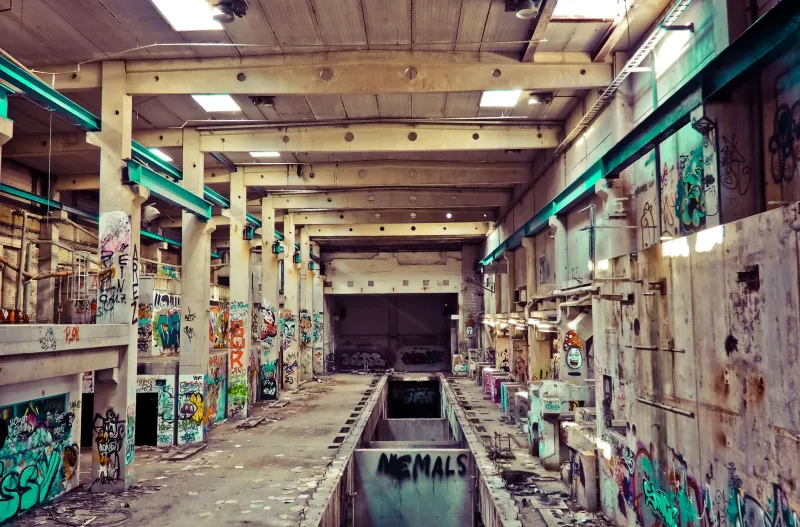
Some of the most active photographers in this scene operate through a loosely organized collective based out of a rented studio space in Jung-gu, not far from the old port district. They share equipment, split darkroom time, and occasionally put together small exhibitions in spaces that are decidedly not galleries — empty storefronts, the back rooms of cafes, a former fish warehouse that a friend of a friend had access to for a weekend.
"We did a show last year and maybe 80 people came," says one member, a 27-year-old who works a day job in logistics and shoots on weekends with a camera his father left behind. "That felt like the right number. Not too big, not too small. You could actually talk to people about the work."
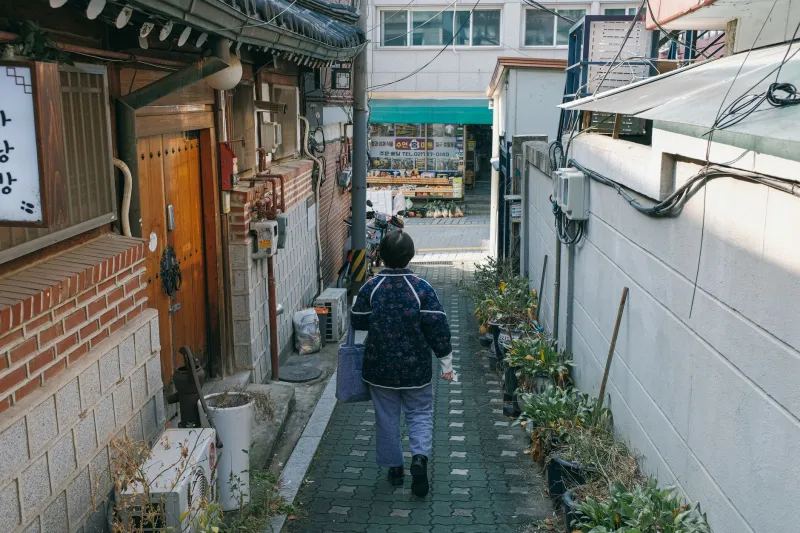
The work itself tends to focus on the parts of Incheon that don't make it onto travel blogs. Industrial coastline. Workers on break outside factory gates. Kids playing in the narrow alleys of older residential neighborhoods. The back side of the airport city, where the infrastructure that makes everything else run is visible and unglamorous.
Film in the Age of the Reel
The choice to shoot on film in 2024 is, in some circles, an affectation. In this community, it's a constraint that the photographers talk about with genuine enthusiasm.
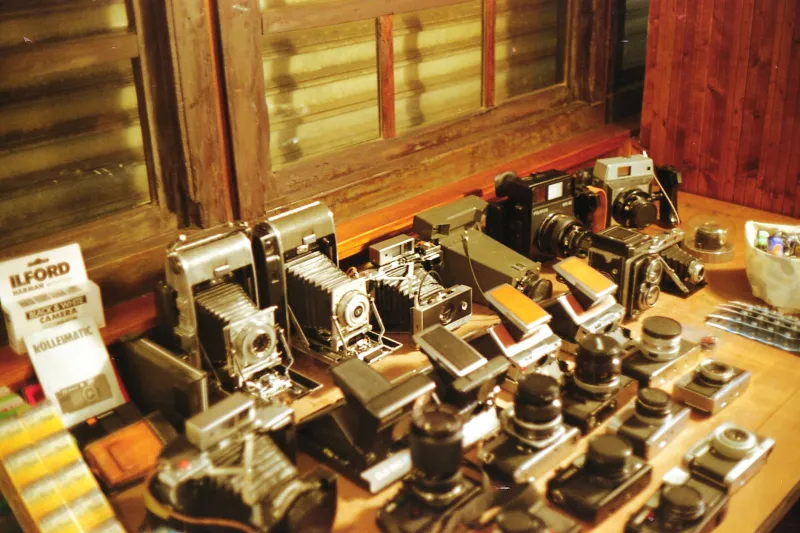
"When you have 36 frames, you slow down," says a photographer in her early 30s who shoots primarily on a mid-century Japanese rangefinder she found at a flea market in Bupyeong. "You watch longer before you shoot. You miss things. You wait for things. It changes what you're paying attention to."
The grain is part of it too — not as a nostalgic filter applied in post, but as a physical fact of the medium. Film grain is information. It's evidence that light actually touched something. In a visual culture where images are endlessly manipulated and optimized, that physicality means something to these photographers.
For American audiences used to thinking of film photography as either a hipster hobby or a professional affectation, the context in Korea is slightly different. Film never fully went away here in the way it did in the US market. There are still labs that process it, still camera shops that sell it, still older photographers who never stopped. The younger generation connecting with analog photography in Incheon isn't discovering something lost — they're finding their way into a tradition that was quietly maintained.
What Gets Left Out of the Frame
The documentary impulse in this community is as important as the medium. These photographers aren't just shooting on film — they're making deliberate choices about what to photograph, and those choices tend to run against the grain of what gets attention online.
Incheon has been photographed extensively in recent years, but mostly through a specific lens: the smart city architecture of Songdo, the photogenic alleyways of Sinpo, the murals of Chinatown. All real, all worth documenting. But the photographers in this scene are more interested in what happens between those landmarks.
"Everyone photographs the mural. Nobody photographs the woman who lives next to the mural and has been watching tourists photograph it for three years," says one photographer, who has been working on a long-term project documenting residents of Jung-gu's older neighborhoods. "That's the picture I want."
This isn't poverty tourism or misery photography — the community is thoughtful about the ethics of documentary work, and there are ongoing conversations within the group about consent, representation, and the difference between bearing witness and exploiting. But the commitment to showing the full picture of the city — not just its photogenic highlights — runs deep.
Gallery Spaces and the Refusal to Go Digital
The exhibitions this community puts together are deliberately low-tech. Prints hung with clips. No QR codes. No Instagram handles on the wall cards. In a few cases, photographers have declined to post their work online at all, insisting that the only way to see it is to show up in person.
"I know that sounds extreme," admits one photographer who has taken this position. "But I think there's something worth protecting about images that only exist in physical space. Once it's online, it becomes content. Before that, it's just a photograph."
For a US audience that has largely accepted the digital distribution of art as default, this stance might read as precious. In the context of Korean visual culture — where the pressure to produce shareable, algorithm-friendly content is intense and relentless — it reads more like a considered act of resistance.
The Incheon photography community isn't trying to start a movement. They're just trying to make pictures that are honest about the city they live in. In a world drowning in polished content, that turns out to be a pretty radical thing to do.