Noodles With a Backstory: Inside Incheon Chinatown, Where K-Drama Scenes and 140 Years of Immigration Share a Plate
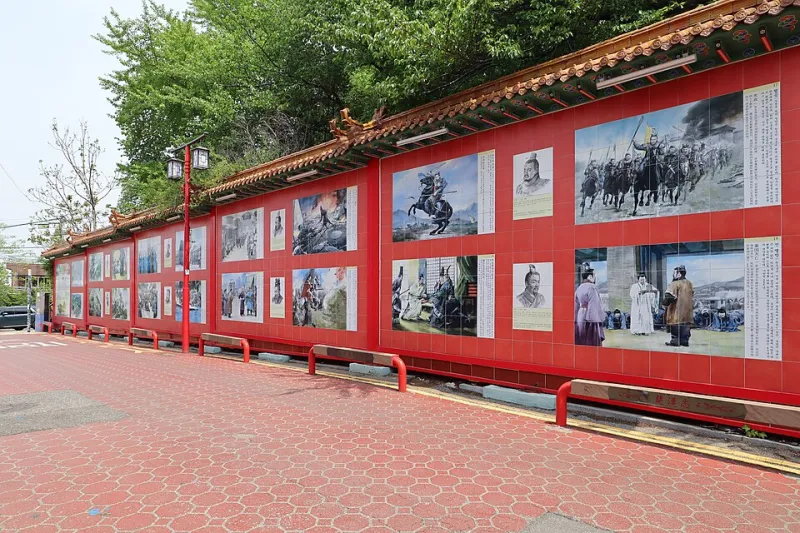
Photo: Mobius6, CC BY-SA 4.0, via Wikimedia Commons
Step off the train at Incheon Station, walk about thirty seconds, and you'll pass through a red gate into a neighborhood that shouldn't exist — at least not by American logic. A bona fide Chinatown, officially designated, in the middle of a Korean city. Not a themed shopping plaza. Not a strip mall with a pagoda bolted on. A real one, with real history, and — increasingly — a real fan base of Americans clutching phones showing screenshots of K-drama scenes they're determined to stand in.
How a Fishing Port Became a Gateway
The story starts in 1883, when Incheon's port opened to foreign trade. Chinese laborers and merchants from Qing-dynasty China crossed the Yellow Sea — a short hop, geographically speaking — and set up shop near the docks. They were cooks, traders, dockworkers. The neighborhood they built around the Japanese and American consulates became Korea's only legally recognized Chinatown, a status it still holds.
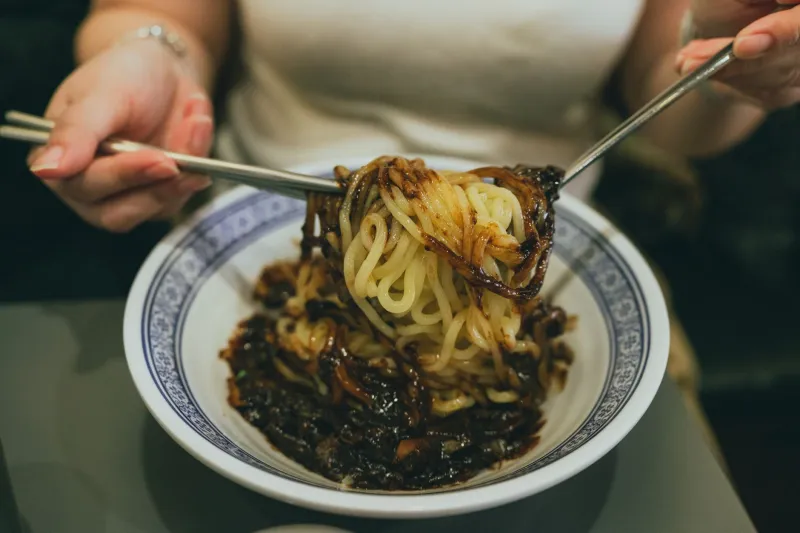
What came out of those kitchens changed Korean food forever. Jajangmyeon — thick wheat noodles under a glossy, slightly sweet black bean sauce — was born here, adapted from the Chinese dish zhajiangmian for Korean palates. Today it's practically the national comfort food; there's an entire unofficial holiday built around eating it. But the original recipe lives in Incheon, and the oldest continuously operating Chinese restaurant in Korea, Gonghwachun, opened its doors here in 1912.
The K-Drama Effect Nobody Planned For
For decades, Chinatown was a local thing — a Sunday lunch destination for Incheon families, mostly under the radar. Then the film crews showed up.
The neighborhood's steep stone staircases, candy-colored storefronts, and mix of Chinese, Korean, and early modern architecture turned out to be a cinematographer's dream. Productions like Guardian: The Lonely and Great God (better known to American fans as Goblin) shot key scenes here, and the famous staircase where the lead characters walk became an instant landmark. Suddenly the neighborhood had a second identity: backdrop.
The result is a specific kind of tourism that's become familiar to anyone watching how pop culture moves people. You'll spot them easily — American visitors in their twenties and thirties, phone in hand, comparing a photo from a drama to the actual alley in front of them, then taking the same shot from the same angle. Some come straight from the airport. A layover is genuinely enough time.
What to Actually Do There
Eat the noodles at the source. Multiple restaurants around the neighborhood claim lineage to the original jajangmyeon. Gonghwachun is the historic name; the surrounding block is packed with spots that each defend their version with genuine conviction. Expect to pay somewhere around 7,000 to 10,000 won — roughly five to eight bucks — for a bowl that would run triple in a US city.
Walk the Jajangmyeon Museum. Yes, there's a museum dedicated to the noodle. It's small, it's cheap, and it explains the immigrant history better than any plaque on the street.
Climb toward Jayu Park. Above the neighborhood sits Korea's first Western-style park, home to a statue of Eugene — wait, no, of General MacArthur — and a surprising amount of quiet. The walk up gives you the best views of the harbor and the neighborhood's rooftops.
Check out the Fairy Tale Village. Just past Chinatown, a hillside lane of murals and storybook installations has become its own photo destination — the kind of place where the Goblin staircase crowd and local families share the same narrow sidewalk.
Heritage Meets Hashtag
There's a tension here worth naming. The neighborhood's original Chinese-Korean community — many of whom stayed through decades when their status was precarious — now share their streets with tour groups and selfie sticks. Some older shop owners will tell you the crowds are a blessing. Others miss the quiet. Both things are true.
What's striking is how the pop culture wave has, arguably, saved the heritage. Without the drama tourists, the historic buildings might have kept aging toward demolition. Instead, there's money flowing into preservation, and a new generation learning the immigrant story because a Netflix show made them book a flight.
For American visitors, the practical pitch is simple: it's a 30-minute subway ride from Incheon International Airport area on the Suin-Bundang line to Incheon Station, it costs almost nothing, and you can eat the origin story of a dish you've probably already had from a takeout container. Not many places let you do that in an afternoon.
Bring an appetite. Bring your screenshot. The staircase is right where the show left it.